
A five-minute meditation for people who find meditation difficult
A beginner-friendly meditation that makes room for restlessness instead of asking you to empty your mind.
On this page
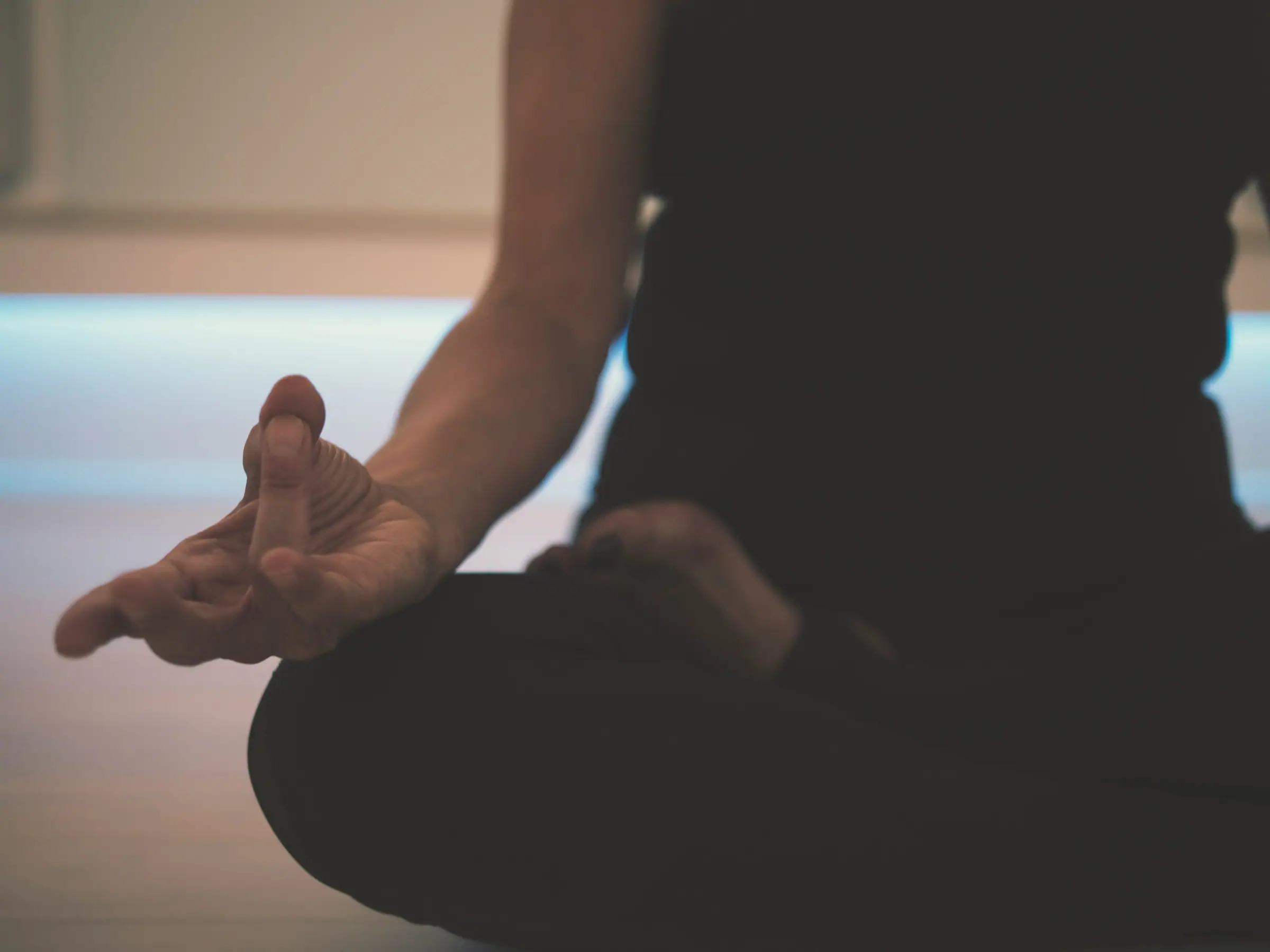
Meditation becomes difficult the moment it sounds like a test you should pass. Restlessness, thoughts and noises are not proof that you are doing it wrong; they are what you practise noticing.
A guided five minutes
- Minute one: arrive and adjust your posture.
- Minute two: feel one point of contact.
- Minutes three and four: follow the natural breath.
- Minute five: notice the room and decide your next action.
Mindfulness research shows possible benefits, but findings vary by population and programme. A five-minute home practice is an experiment, not a treatment promise. Quiet, music or a familiar scent can shape the setting; none creates the meditation for you.
What to do with thoughts, itching and restlessness
Trying to force thoughts away usually creates another task. Instead, notice the event in simple language: “planning”, “remembering”, “itching” or “impatience”. Decide whether it needs a response. You may scratch an itch or adjust a painful posture. Then return attention to the feet, seat or breath.
The return is the practice. A session with twenty returns is not worse than one with two.
Choose an anchor other than breathing
Following the breath does not suit everyone. You can instead use:
- The contact of both feet with the floor.
- Sounds arriving and disappearing without identifying each source.
- The weight and temperature of an object held in your hands.
- A slow walking route across the room.
- One visual point, such as a plant or the changing daylight.
If closing your eyes feels uncomfortable, keep them open. If sitting still increases distress, stop and choose movement, conversation or another grounding activity. Meditation is optional.
How to make five minutes repeatable
Attach it to something that already happens: after closing the laptop, before showering or while tea cools. Use a normal timer with a gentle sound and decide beforehand what comes next. That reduces the temptation to check how much time remains.
Music or scent can make the setting recognisable, but use them because you enjoy them rather than to force a result. For other practices that do not require stillness, browse self-care without a perfect routine or try the evening reading ritual.
Sources
Frequently asked questions
How do beginners meditate for five minutes?
Sit comfortably, notice one physical point of contact and follow five natural breaths. When attention wanders, return without judging it.
Do I have to clear my mind?
No. Minds produce thoughts. The practice is noticing that attention moved and gently returning it.
Can I meditate with music or a candle?
Yes if they help you settle, but neither is required. Keep any flame stable, away from materials and within sight.